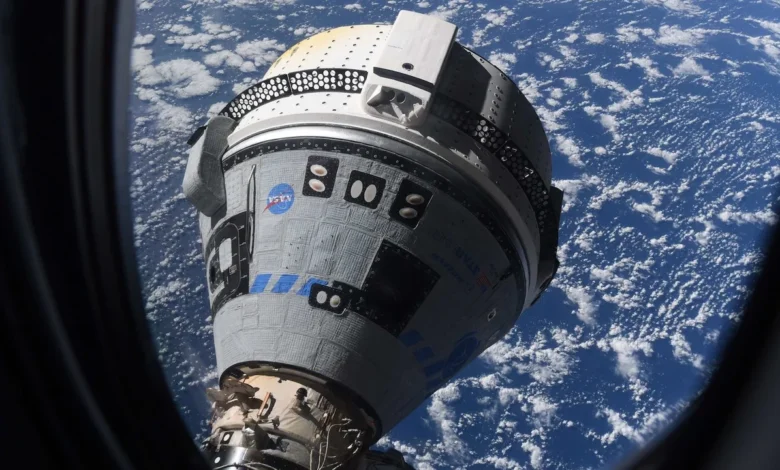
This article summarizes the issues identified during the development and initial missions of Boeing’s Starliner spacecraft, based on information available from Digital Trends articles. It explores the key findings and implications of these issues on the future of the Starliner program.
Key Findings of NASA’s Report on the Troubled Starliner Flight
While the specific NASA report is not included within the provided articles, the articles do detail numerous problems encountered by the Boeing Starliner spacecraft. These issues came to light during its development and initial crewed mission to the International Space Station (ISS).
Issues Identified During the Starliner Flight
The Starliner has experienced a multitude of technical difficulties. These problems include:
- Software Errors: During its inaugural uncrewed test flight in 2019, the Starliner suffered software errors that prevented it from reaching the ISS.
- Valve Malfunctions, Thruster Failures, and Helium Leaks: The one and only crewed mission faced valve malfunctions, thruster failures, and helium leaks. These issues prompted NASA to bring the Starliner home empty over safety concerns. This left astronauts Butch Wilmore and Suni Williams on the ISS for around nine months, far longer than the planned eight days.
Implications of NASA’s Report on the Future of the Starliner Program
Despite the numerous challenges and setbacks, NASA and Boeing are committed to the Starliner program. NASA modified its contract with Boeing, reducing the number of targeted crewed flights.
The next flight, Starliner-1, will be uncrewed and transport cargo to the ISS. This flight will evaluate safety following upgrades made after the previous mission. NASA and Boeing aim for no earlier than April 2026 for the Starliner-1 flight. Passing this test could lead to up to three crew rotations to the ISS, potentially beginning in 2026.
NASA is continuing to rigorously test the Starliner propulsion system to safely certify the system in 2026. These tests are to align ongoing flight planning based on the space station’s operational needs through 2030.